
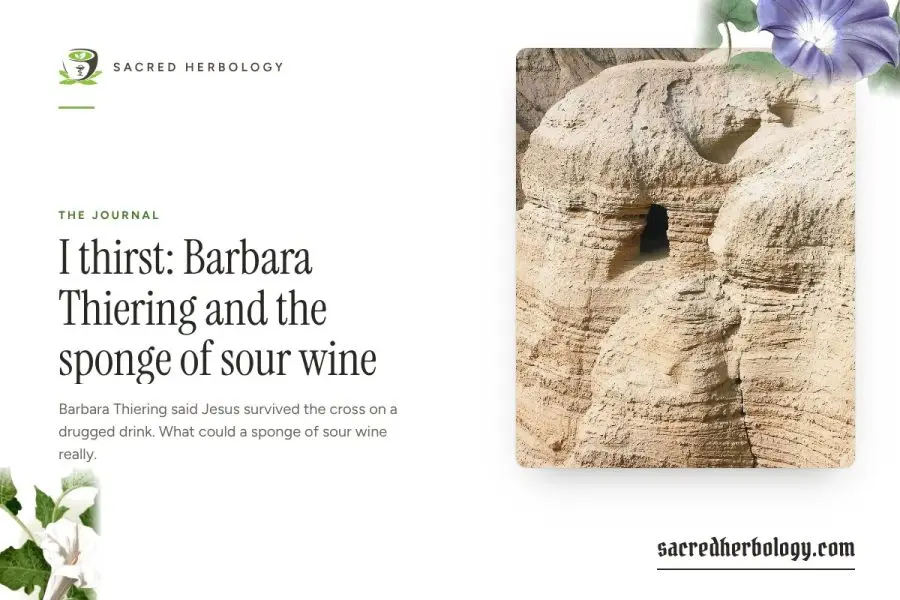
I thirst: Barbara Thiering and the sponge of sour wine
A Sydney scholar said Jesus wrote John’s Gospel and survived the cross on a drugged drink. What could a sponge of sour wine really do?
Sacred Herbology
Ceremony, ritual, plant lore and the old manuscripts.
A Sydney scholar said Jesus wrote John’s Gospel and survived the cross on a drugged drink. What could a sponge of sour wine really do?
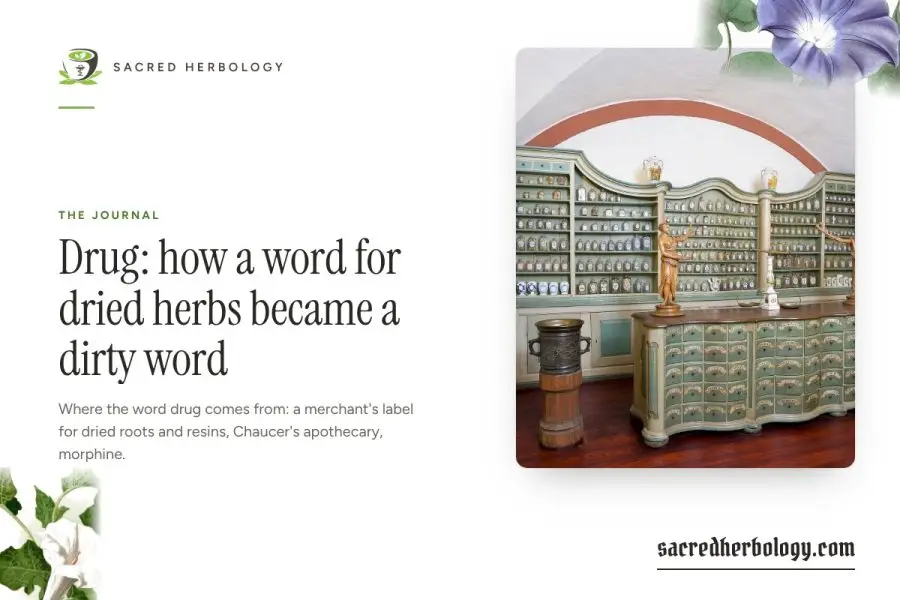
The word drug began as a merchant’s label for dried roots, barks and resins in a cask. Six hundred years later people swear a plant can’t be one. Here is how that happened.
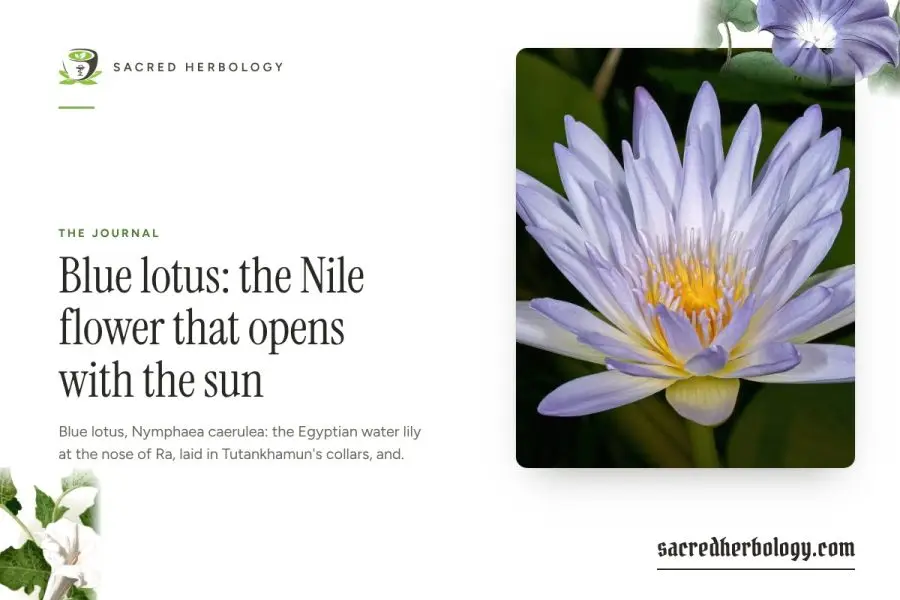
The flower at the nose of Ra, the petals in Tutankhamun’s collars, and the modern story of an Egyptian high. What the record says about blue lotus.
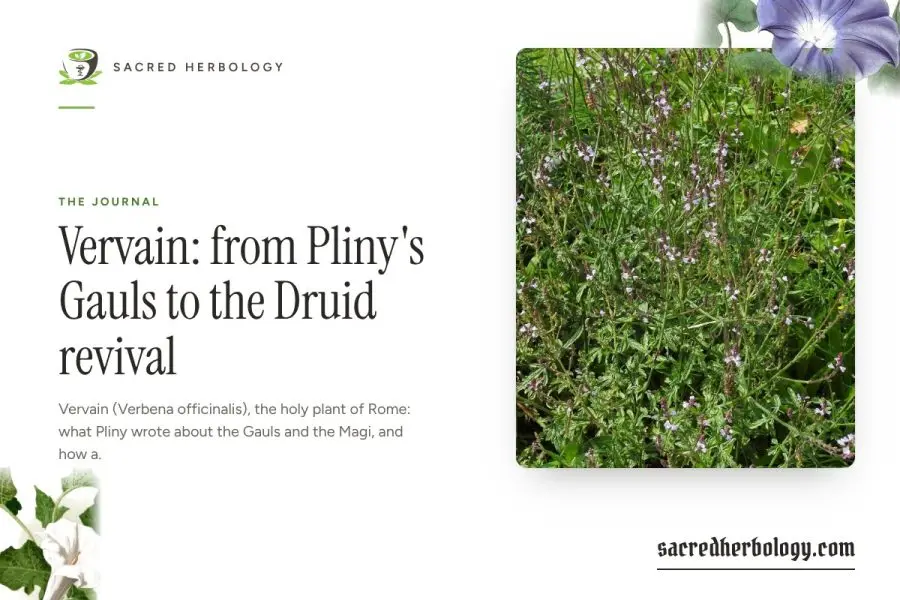
Pliny said the Gauls cast lots with vervain. In 1754 a Cornish antiquary turned them into Druids, and the herb books have repeated it ever since.
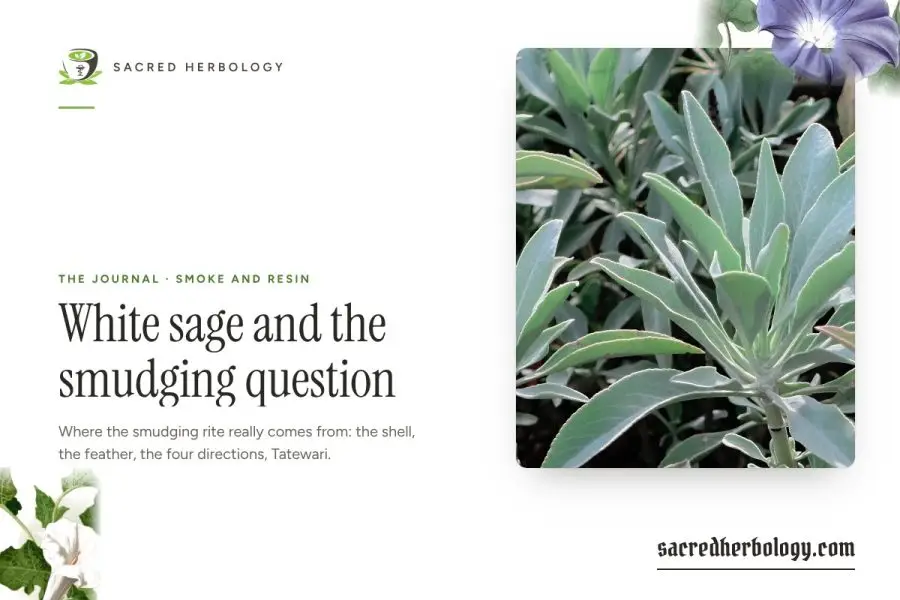
The shell, the feather, the four directions, the smoke that carries a prayer. What white sage really is, where each piece of the modern rite came from and when, who Tatewari is, which of the standard claims are misremembered and who first printed them, and how to build something of your own with a provenance you can recite.
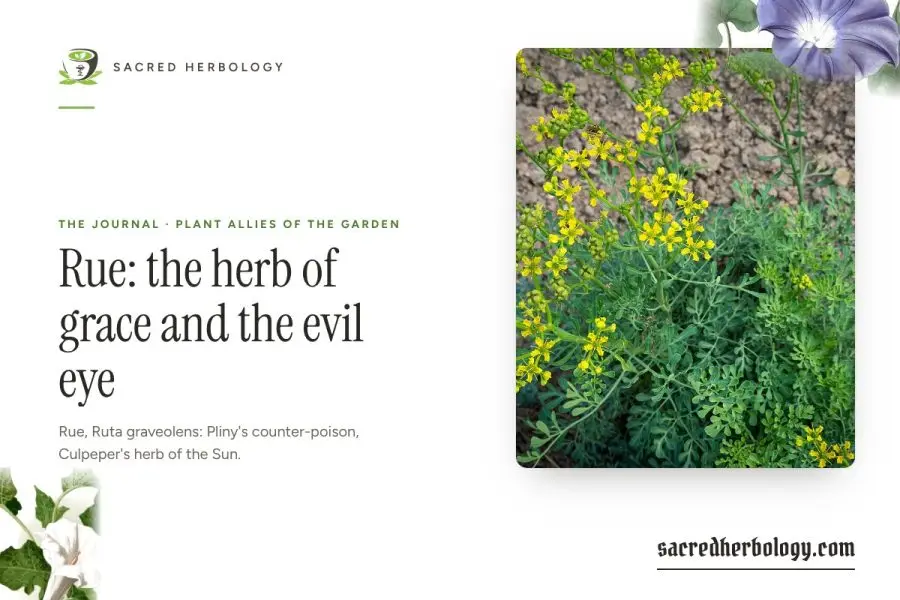
Pliny called it a chief medicinal plant, Culpeper gave it to the Sun, and Naples pinned silver sprigs of it on babies against the evil eye.
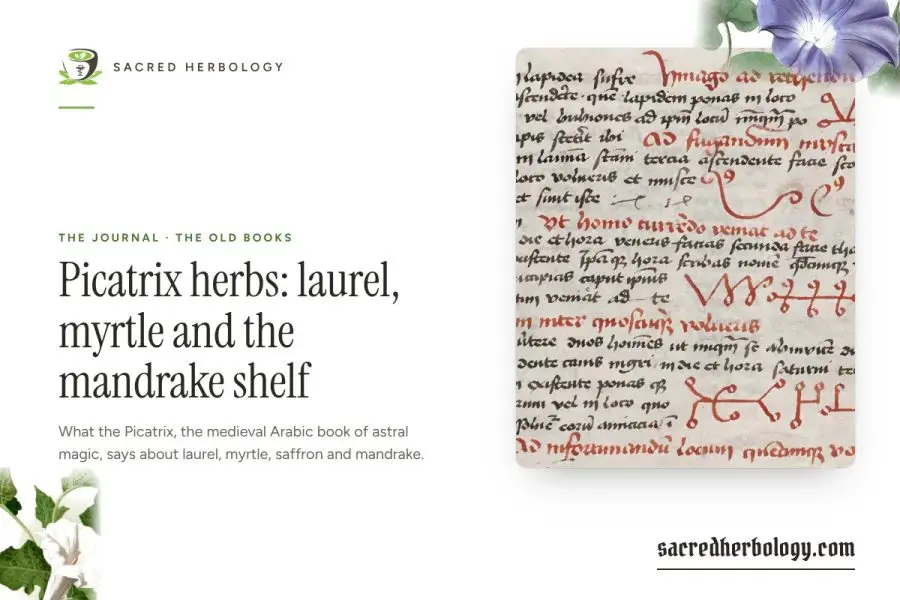
A tenth-century Arabic book of astral magic sorted plants by the planets. Here is what it says about laurel, myrtle, saffron and its darker shelf.
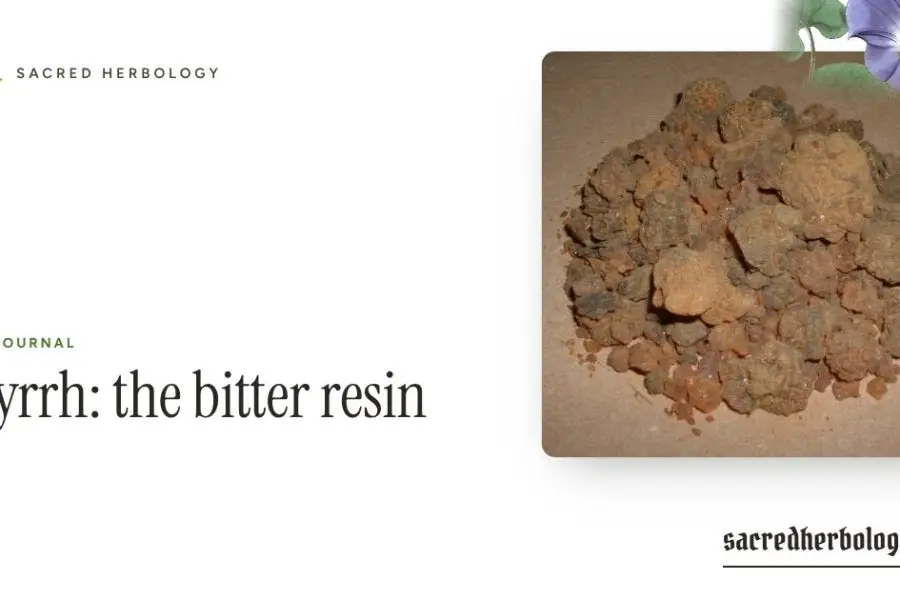
The resin named for bitterness, burned at noon in Egypt, carried to a tomb in Jerusalem and set on the Tree of Life by the magicians.
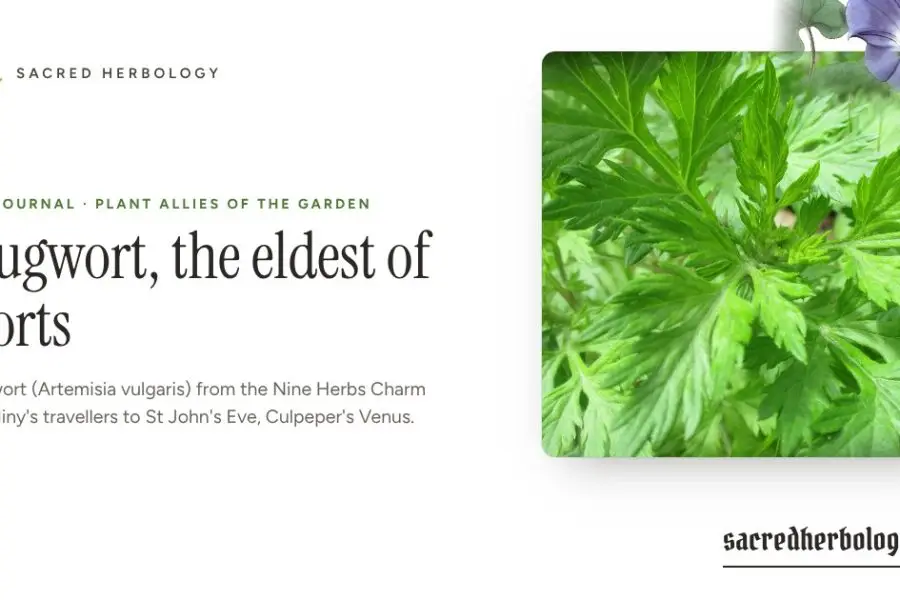
An Old English charm, a Midsummer fire, Culpeper’s Venus and the moxa roll. How one grey-leaved weed turned up in almost every tradition that touched it.
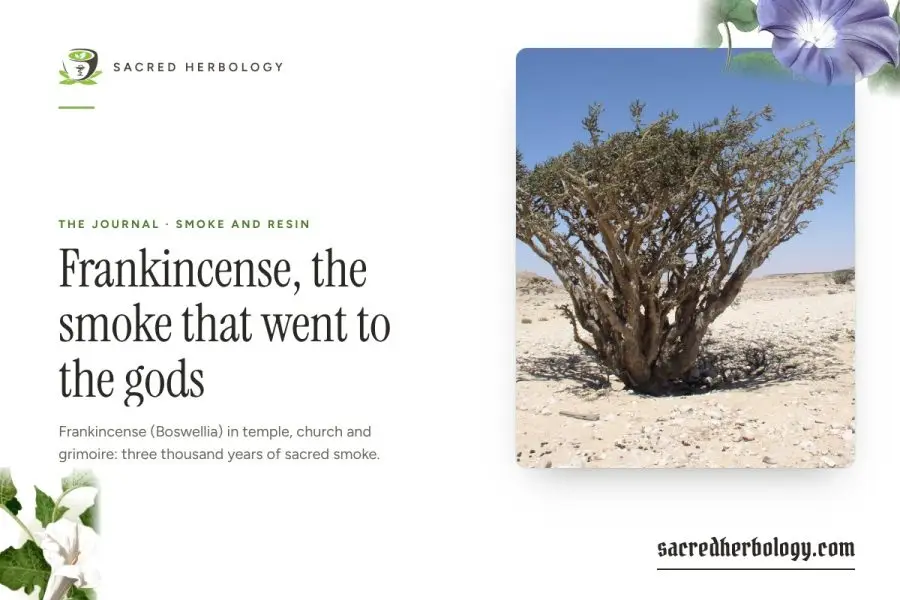
Three thousand years of temple smoke, a planetary fume in Agrippa, and what to look for when you buy a bag of tears today.
Photo credits on each article.