
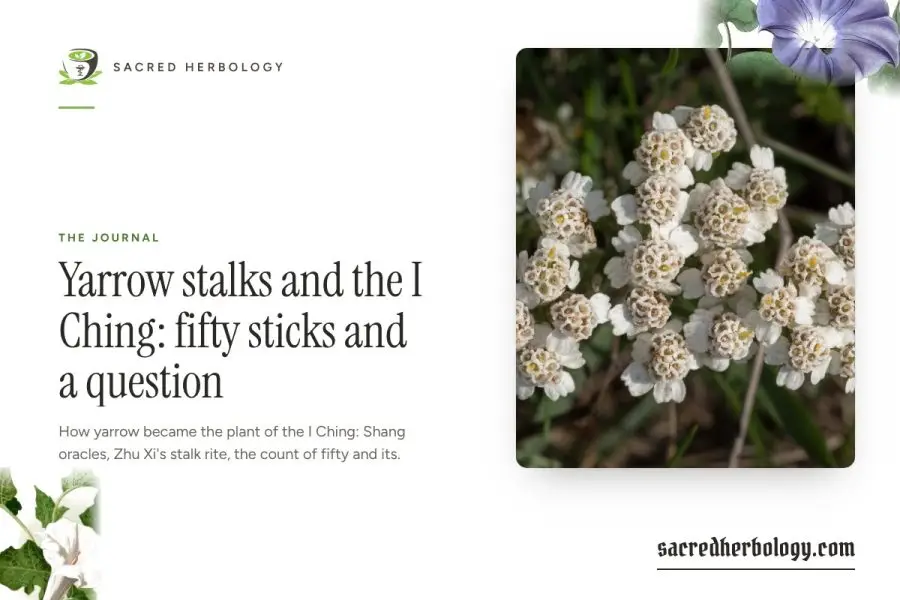
Yarrow stalks and the I Ching: fifty sticks and a question
Fifty dried stalks, a bowl of incense and a three-thousand-year-old book. How yarrow became the plant of the I Ching, and how the old count works.
Sacred Herbology
Ceremony, ritual, plant lore and the old manuscripts.
Fifty dried stalks, a bowl of incense and a three-thousand-year-old book. How yarrow became the plant of the I Ching, and how the old count works.
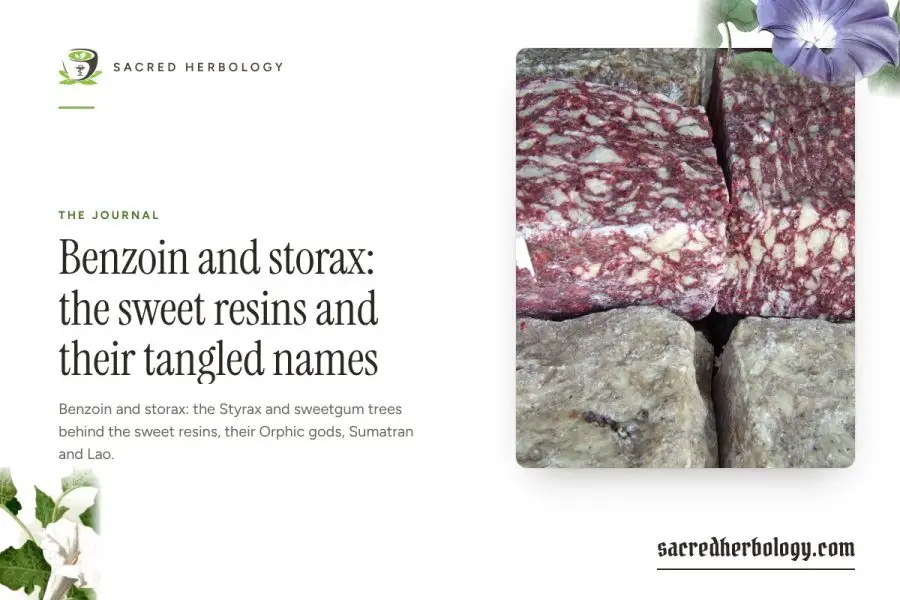
Two sweet resins, three kinds of tree and a knot of borrowed names, from the Orphic hymns and Sumatran gardens to the plastic cup in your hand.
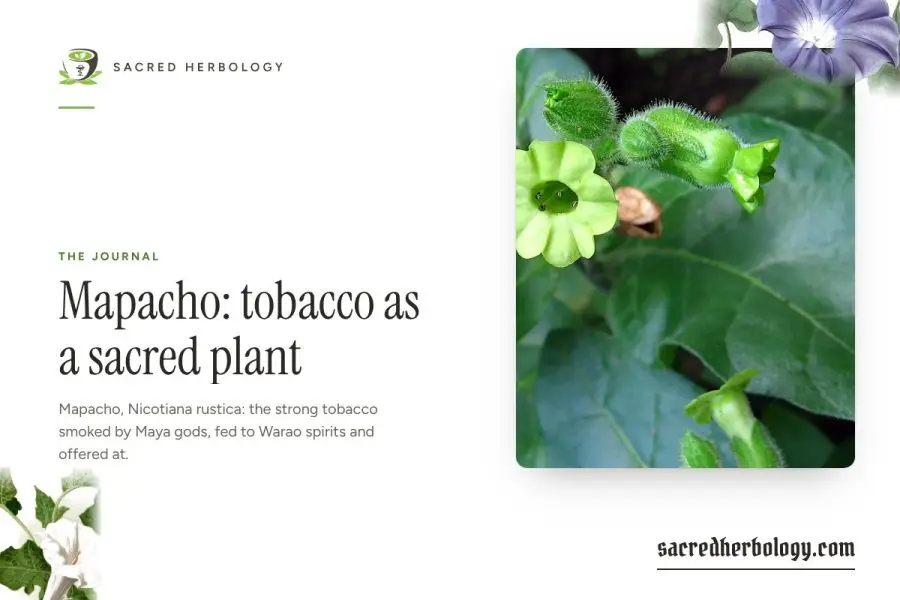
Green-flowered Nicotiana rustica was smoked for the gods, blown over the sick and fed to spirits. Here is its long history, and why it stays out of our shop.
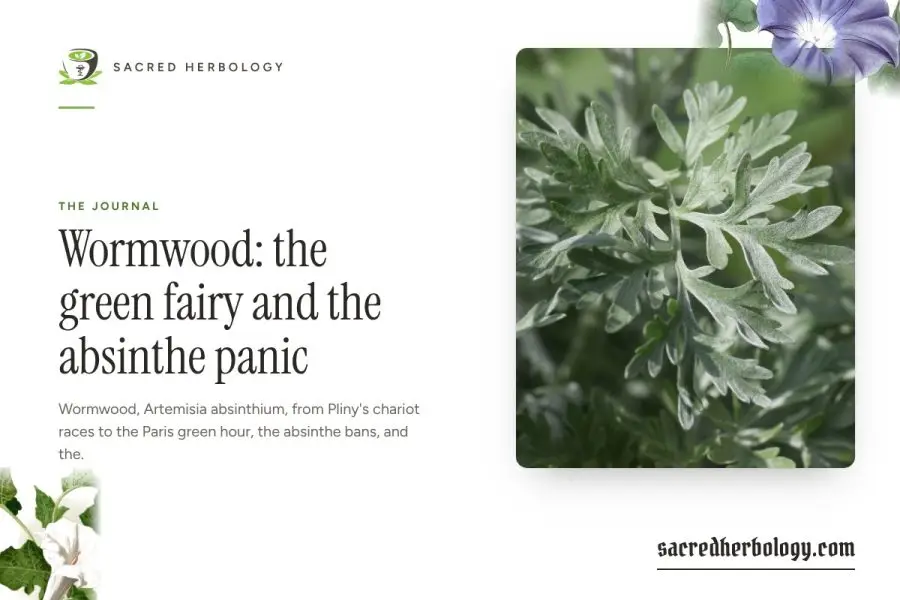
A bitter herb from Pliny’s chariot races to the Paris green hour, a Swiss murder that banned a drink, and the chemistry that later cleared its name.
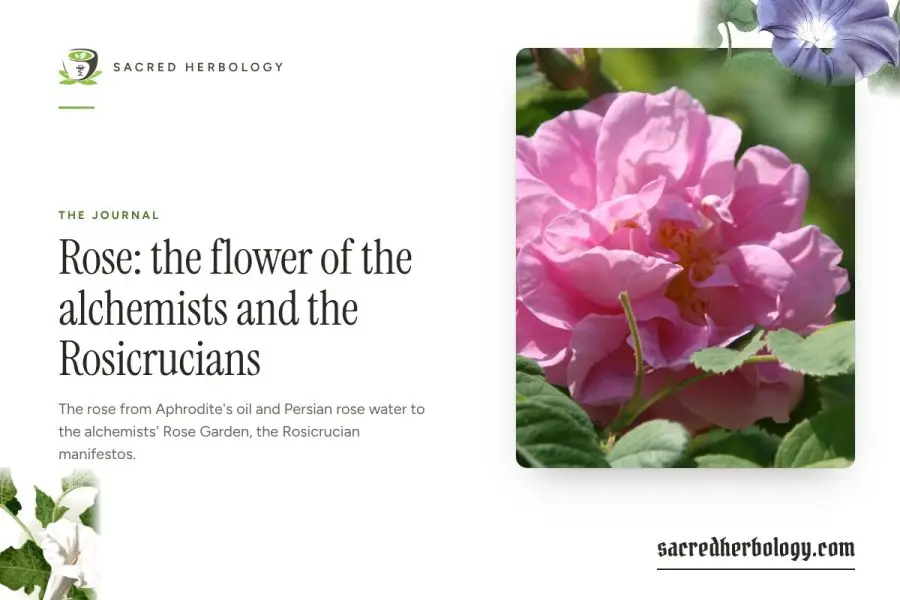
Rose oil on Hector’s body, rose water from Baghdad’s stills, a rose garden of alchemy and a brotherhood that may never have met. The rose’s long esoteric life.
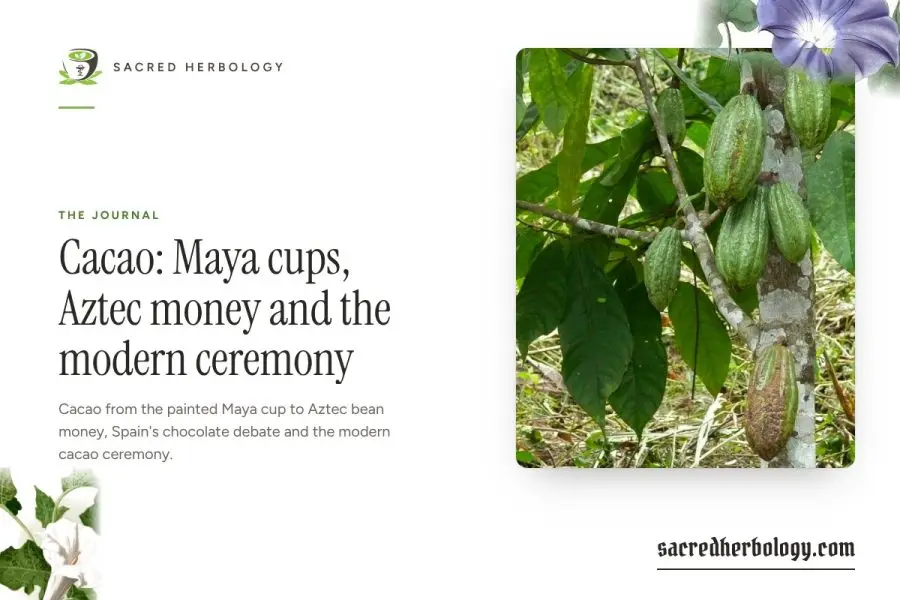
A painted Maya cup that names its own contents, beans that bought a turkey, and a circle ceremony that took shape on Lake Atitlán in the 2000s. Cacao’s long story.
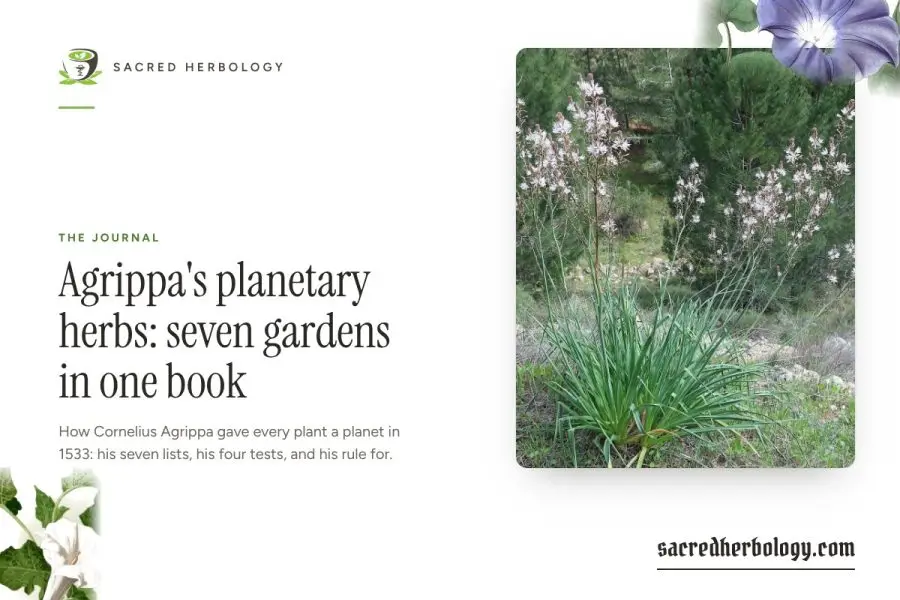
In 1533 Cornelius Agrippa gave every plant a planet. Here are his seven lists, the logic behind them, and his rule for which part of a plant goes to which star.
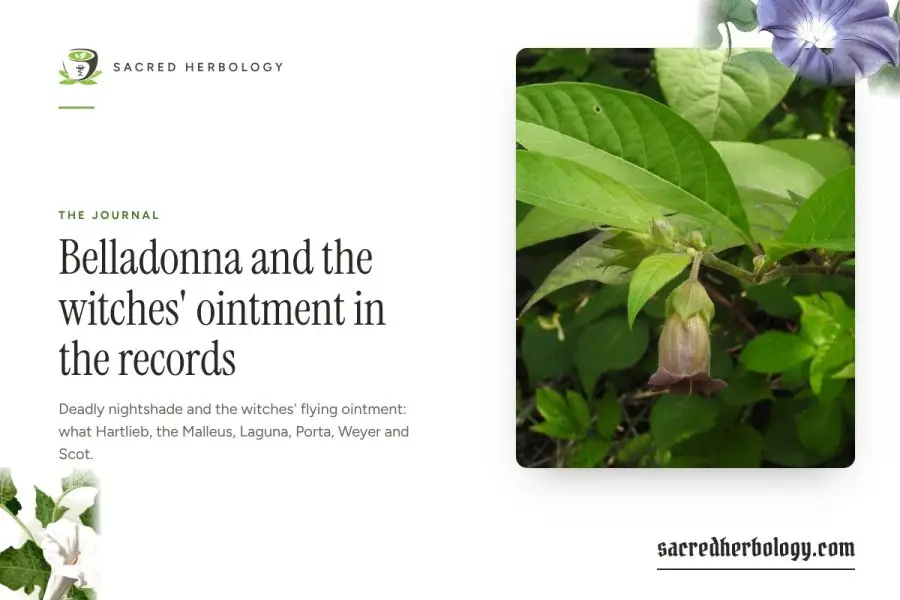
Deadly nightshade carries the flying-ointment story, but the old books say less than you might expect. Here is what the records actually name.
The old magicians split each day into twelve unequal hours, each ruled by a planet. How the scheme works, and why European tables go wrong in Australia.
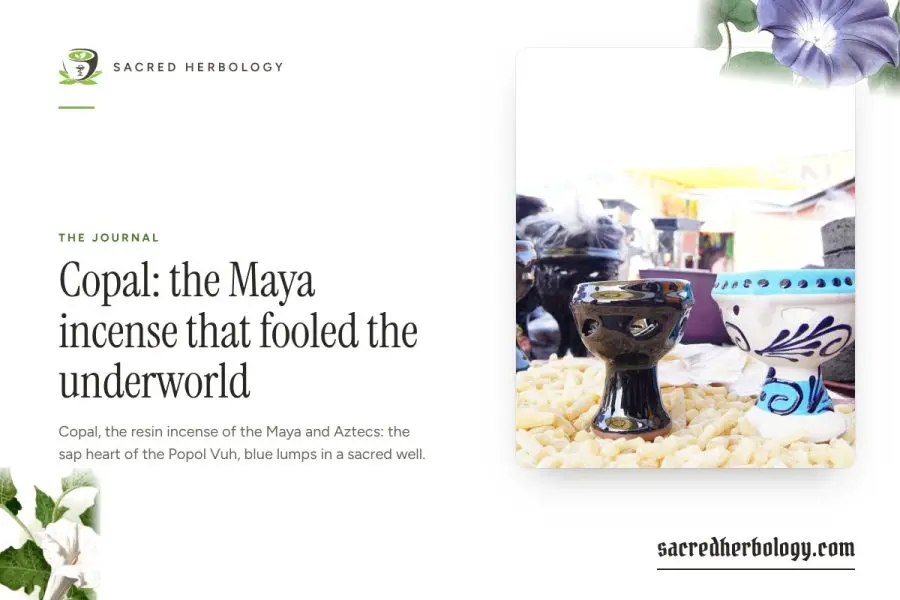
A heart of red sap in the Popol Vuh, blue lumps in a sacred well, and a name that covers a dozen different trees. How to read copal.
Photo credits on each article.