Sacred Herbology
The Sacred Herbology podcast on the plants of the altar: what goes on the coals, what goes in the cup and what goes on the skin, read from the grimoires, the temple records and the old herbals.

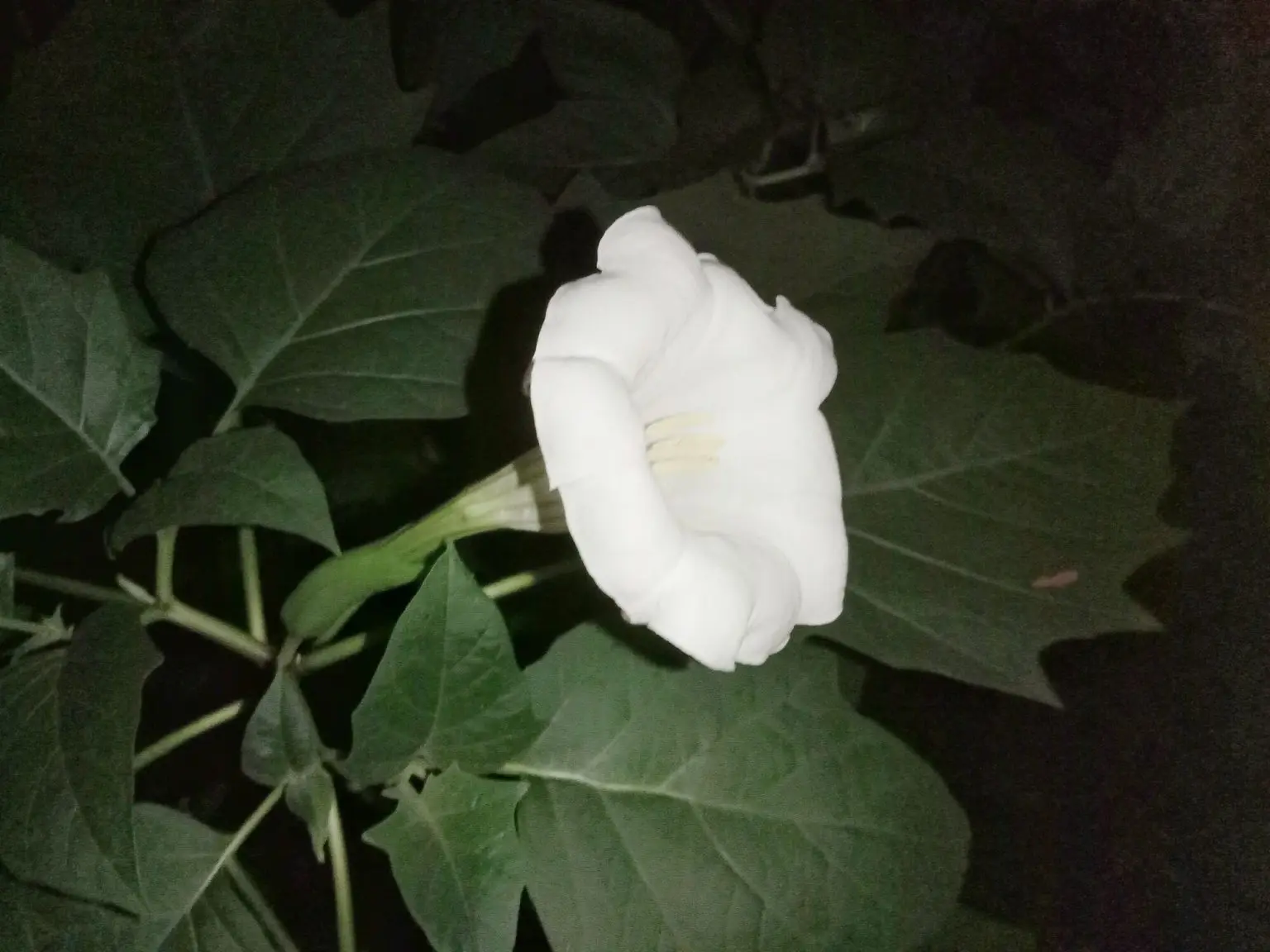
A flower of Datura metel at night. Photo: Yogabrata Chakraborty (Billjones94), CC BY-SA 4.0, cropped, via Wikimedia Commons.
Listen on

Add Resin and Rite to your phone or computer. It opens in its own window, loads quickly, keeps your notes on the device and can alert you when a new episode is released.
On iPhone or iPad: tap the Share button in Safari, then Add to Home Screen.
Follow the podcast to get a notification on this device when a new episode is released, or join the mailing list to hear from Sacred Herbology by email. You choose what we send, and you can change it at any time.
Already on the list? Manage my subscription
Resin and Rite looks at the plants that ceremony has always depended on. Frankincense and myrrh on the censer, the holy anointing oil of Exodus 30, the herbs the Picatrix asks for by name. Each episode takes one plant or one text and follows it back to the sources.
Episodes are researched and checked by Ambrose Fenwick for Sacred Herbology. Where a recipe or attribution comes from a published edition, we say which one. Where a story turns out to be a modern invention, we say that too.
The show is about ceremonial and historical use. Nothing in it is medical advice, and nothing we sell is sold as medicine.

Sacred Herbology
Sacred plants and their ritual use
Frankincense, myrrh, benzoin, sandalwood and cinnamon bark. Where each came from, how it was traded and what the old rites burned it for.
The Picatrix, the Key of Solomon and Agrippa's Three Books, read from published editions, with the plants their recipes actually call for.
Chrism, the oil of Exodus 30 and the consecrated oils of the Western ceremonial tradition.
Plants that books and markets get wrong, such as the Artemisia verlotiorum of south-east Queensland so often sold as mugwort.
Now playing
–

